
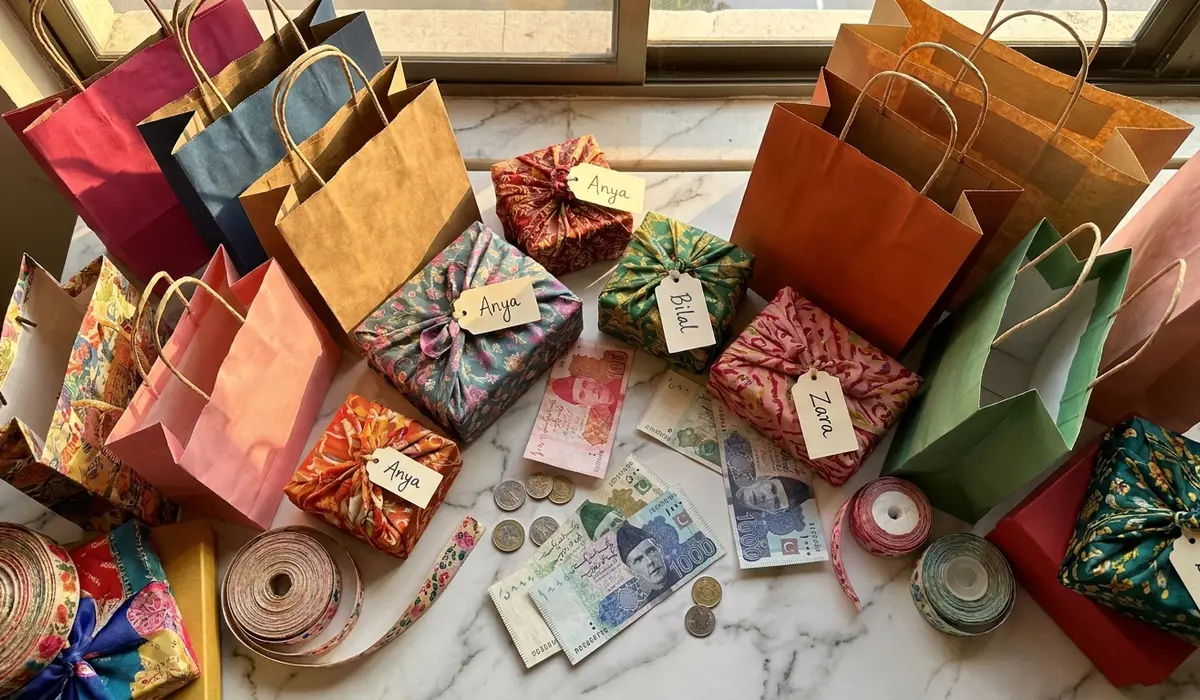
TL;DR: The SCOPE framework gives Pakistani ecommerce stores a five-step method for testing personalization: Segment by behavior, Choose between personalization and customization, Orchestrate touchpoints, Personalize high-impact moments, and Evaluate lift. Start with observable shopping needs, connect messages to actual customer activity, and measure completed purchases against a control. WeProms Digital helps Pakistani stores plan personalization around their existing traffic, customer relationships, and checkout experience.
A Lahore fashion store can attract interested shoppers and still lose orders when visitors cannot find a previously viewed outfit or a matching accessory. Personalization may help those shoppers continue their journey. But weak conversion can also reflect pricing, delivery charges, unavailable sizes, or checkout friction. The useful question is where a more relevant experience would remove a specific obstacle—and whether the improvement survives a controlled test.
Why do Pakistani ecommerce stores confuse personalization with customization?
Personalization means the system automatically tailoring an experience using customer behavior or preferences. Customization means the customer actively choosing options or configuring that experience. The distinction matters because each solves a different problem, and neither guarantees a sale.
Picture a Lahori chai stall. The owner sees you walk in and starts pouring your usual—two sugars, half milk, strong brew—without asking. That is personalization: the chai maker uses observed behavior to anticipate your needs. Now picture a restaurant with a build-your-own-burger menu where you choose the patty, cheese, sauce, and toppings. That is customization: you configure the result yourself.
A size selector, color picker, or bundle builder gives shoppers useful control. It does not necessarily adapt to their history. Behavioral personalization instead draws on signals such as viewed products, abandoned carts, earlier purchases, and category preferences. Those signals should answer a practical question: what would help this shopper take the next step?
The behavioral segmentation framework starts with observed actions rather than demographic assumptions. A Karachi electronics shopper who compares laptops and checks compatible accessories gives you a different signal from someone who immediately leaves the homepage. That is a reason to test different assistance, not proof that the first shopper will buy. Keep recommendations easy to ignore or change.
What is the SCOPE framework for ecommerce personalization?
The SCOPE framework—Segment, Choose, Orchestrate, Personalize, Evaluate—organizes personalization into a repeatable process. Its purpose is to connect customer evidence to an intervention and then test the result. It is a working method, not a promise of a particular conversion rate.
Before purchasing a tool, map where your store stands on each dimension. You may already collect useful purchase history but lack a way to use it on the storefront. Or your messaging platform may support triggered campaigns while your purchase tracking cannot reliably stop reminders after an order.
| SCOPE Step | What It Means | Practical Store Check |
|---|---|---|
| Segment | Group visitors by behavior, not demographics alone | Can you distinguish browsing, cart activity, and completed purchases? |
| Choose | Decide which moments need personalization or customization | Does the shopper need a recommendation or direct control? |
| Orchestrate | Connect relevant touchpoints across channels | Do messages stop or change when the customer purchases? |
| Personalize | Tailor moments where relevance can remove friction | Can you explain the shopping problem each variation solves? |
| Evaluate | Measure incremental results from each change | Can you compare outcomes with an appropriate control? |
The sequence keeps implementation grounded. Segmentation identifies a need; choosing the approach prevents unnecessary features; orchestration keeps channels consistent. Personalization then applies the intervention, while evaluation determines whether to keep it. Plan measurement before launch, even though evaluation appears last in the acronym. Otherwise, you may build an experience whose contribution you cannot assess.

Treat numerical benchmarks embedded in the illustrations as unverified, not as targets or forecasts for your store.
How do you Segment shoppers by behavior in Pakistan?
Behavioral segmentation groups shoppers by what they do: browse categories, compare products, add items to cart, or purchase again. For customer retention, the useful distinction is often the customer’s current need rather than their city alone. Start with simple groups that lead to different, useful actions.
Four behavioral segments provide a practical starting point:
-
Window shoppers—visitors who browse products without adding anything to cart. They may be comparing prices, exploring styles, or checking whether you stock their size. Test recently viewed items on return visits, clear category navigation, and helpful product details. Do not assume every browser needs a discount; some simply need an easier way to find what interested them.
-
Cart abandoners—visitors who add items but do not complete a purchase. Investigate shipping charges, delivery expectations, payment availability, and errors before choosing a message. Where the shopper has opted in, test a reminder that restores the relevant cart. A payment link should only be used when it fits your order, inventory, and payment reconciliation process.
-
Repeat buyers—customers with a history of completed purchases. Test complementary items, relevant replenishment reminders, or discovery within preferred categories. Exclude canceled and returned purchases where they would distort recommendations. A customer who returned an unsuitable product should not automatically receive more of the same simply because it appears in their order history.
-
High-intent browsers—visitors who repeatedly inspect a product, compare variants, or check delivery information. Treat these actions as clues to investigate. Try answering the unresolved question before offering a discount. Any stock urgency must reflect actual availability, and a long visit alone should not be treated as a reliable buying signal.
Step 1 action: Audit your GA4 ecommerce events before creating segments. Google’s setup documentation explains that ecommerce events require implementation, although Shopify integrations collect some events. Verify product views, cart additions, and purchases, then define the segment conditions you need. Do not assume installing GA4 creates these audiences automatically or makes them usable across your messaging tools.
When should you Choose customization over personalization?
The Choose step asks whether the shopper benefits more from direct control or from a relevant suggestion. Both approaches can improve the journey. The right choice depends on the task, available data, and the cost of making an incorrect assumption.
Use customization when products have genuine configuration options. A Lahore gift store should let shoppers enter their own text and upload images for custom prints. Apparel customers need control over size and color, even if the store recommends a style. If you lack useful behavioral history, start with clear navigation and explicit preferences rather than guessing what visitors want.
Use personalization when the available evidence supports a helpful suggestion. A Faisalabad apparel store could recommend a compatible accessory alongside a kurta. A returning buyer might benefit from easier access to a previously preferred category. Keep alternatives visible: earlier behavior can guide the experience without locking the customer into it.
Catalog size alone does not decide the issue. A small catalog can still benefit from relevant replenishment reminders, while a large catalog may need better filters before sophisticated recommendations. Ask whether personalization reduces a real decision burden. If product information is incomplete, improving that information may be the more useful investment.
The choice is not binary. Product configuration and tailored discovery can coexist on the same page. Explain recommendations clearly and let shoppers override them. A helpful experience makes choosing easier; it should not hide products, assume a fixed budget, or keep pushing something the customer has already rejected.
How do you Orchestrate touchpoints across WhatsApp and web?
Omnichannel orchestration coordinates website experiences and messages around the customer’s current journey. The practical aim is continuity: a shopper should not receive an abandoned-cart reminder after buying or conflicting offers through different channels.
Consider a Multan cosmetics shopper who browses on mobile and asks about shade matching on WhatsApp. The conversation may reveal a need that page views cannot explain. Build a process for carrying relevant preferences into later assistance, rather than assuming all useful signals originate on the website.
The orchestration flow works in three layers:
First, the website layer. Track relevant shopping activity and validate the product identifiers shared between your store, analytics, and messaging tools. Use GA4 to understand behavior, but plan how the operational system will receive cart and purchase events. A report showing abandoned carts is not itself a functioning message trigger.
Second, the WhatsApp layer. Connect customer and order events to an appropriate messaging integration. WhatsApp’s messaging policy requires opt-in permission and approved templates for business-initiated conversations. Respect opt-outs and suppress messages when the shopper purchases. Test whether the channel produces incremental completed orders for your audience rather than assuming it always outperforms email.
Third, the email layer. Email automation can support product education, relevant launch announcements, replenishment, and win-back campaigns. Set inactivity rules around your own purchase cycle. Someone buying groceries and someone buying furniture should not be classified as lapsed using an arbitrary shared interval.
Braze reports that retailer 24S achieved a 35% increase over six months in purchase conversion rate, measured within a 3-day window, from abandoned-cart and low-stock urgency campaigns. This is a specific campaign result, not a Pakistani ecommerce benchmark.
Step 3 action: Map a cart-reminder journey from opt-in through purchase suppression. Confirm that the message opens the correct cart, reflects current availability, and stops after purchase or withdrawal of permission. Choose timing through testing. Compare recovered revenue with message costs, discounts, cancellations, and returns before extending the flow to more segments.
Which high-impact moments should you Personalize first?
Start where a relevant experience could remove an identifiable obstacle. Homepage return visits, product recommendations, and checkout preferences are useful candidates. Their value depends on your store; prioritize them using customer behavior, support questions, and implementation effort.
Homepage return visits. Help returning shoppers resume browsing with recently viewed products or relevant categories. First check whether your theme, app, or storefront implementation can support the experience. Provide a useful fallback when history is unavailable. Keep the module from displacing navigation or important delivery information, and measure whether shoppers progress toward completed orders rather than merely clicking more products.
Product page cross-sells. Separate complementary products from alternatives. A laptop bag complements a laptop; another laptop helps comparison. Shopify’s recommendation documentation explains that Search & Discovery supports related and complementary recommendations through suitable theme sections. Start with compatible, available products and inspect the suggestions yourself. Recommendations that look plausible but fail on size, fit, or compatibility create work for shoppers and support teams.
Vendor research can help generate hypotheses, but recommendation engagement is not automatically evidence of incremental sales. People who click suggestions may already be more inclined to buy. Test the module against a control, check whether it adds useful items, and watch for distraction from the main purchase. A higher basket value means little if fewer shoppers finish checkout.
Checkout payment preferences. Explore whether your checkout can make a returning customer’s preferred method easier to select. Confirm platform and payment-provider support before promising automatic defaults. Keep COD, JazzCash, Easypaisa, and other available choices clear and changeable. Broader checkout optimization may reveal that unclear charges or delivery terms matter more than payment ordering.

How do you Evaluate personalization conversion lift?
Measurement separates personalization that earns its cost from features that merely look impressive. Decide what success means before launch: completed orders, revenue per eligible visitor, or contribution after discounts and fulfillment costs. For COD orders, distinguish order placement from successful delivery.
The evaluation method follows a three-step process:
First, establish baseline metrics. Review conversion, average order value, and revenue per visitor for the eligible audience and touchpoint. Check event accuracy and note promotions, stock changes, traffic sources, and delivery disruptions. The baseline helps you plan a test; it does not establish what would have happened without personalization.
Second, deploy a controlled change. BigCommerce’s A/B testing guide describes comparing groups exposed to different versions. Where practical, randomly assign eligible visitors to the existing experience or the personalized version during the same period. Keep assignment consistent so a shopper does not switch experiences unpredictably. Isolating the change makes the result easier to interpret.
Third, evaluate the difference with uncertainty in view. A before-and-after increase may reflect an Eid promotion, new traffic, or improved availability rather than personalization. Compare the test groups, inspect order quality, and include implementation and operating costs. Avoid declaring a winner simply because an early result looks positive.
Choose the test duration around traffic, purchase frequency, expected effect, and the sample needed for a useful comparison. A fixed calendar window does not guarantee reliable evidence. If your audience is too small, start with usability research and simpler changes while collecting better data. Record inconclusive outcomes honestly; they are not proof that the feature works or fails.
Step 5 action: Maintain a personalization impact log. Record the hypothesis, eligible segment, variation, control, primary metric, costs, result, and decision. Include technical problems or overlapping campaigns that could affect interpretation. Keep a change because the evidence supports it, revise it when the experience needs work, and remove it when costs outweigh benefits.
Personalization deserves a place alongside pricing, merchandising, delivery, and checkout improvements. It cannot explain every conversion gap or compensate for a broken buying journey. Invest in the opportunities your store’s evidence supports, then use the results to choose the next test.
Read next: Behavioral segmentation framework for Pakistani ecommerce · Diagnosing low conversion rates
WeProms Digital helps stores connect customer segmentation with ecommerce conversion optimization. The work starts with customer needs, tracking quality, and a testable intervention. Discuss your store through WhatsApp at +92 300 0133399 or hello@weproms.com.
Frequently Asked Questions
What is the difference between personalization and customization in ecommerce?
Personalization adapts the shopping experience using customer behavior or preferences, such as displaying recently viewed products. Customization lets the shopper configure something directly, such as selecting a color or building a bundle. Both can support conversion. Choose according to the customer’s task, and test the result rather than assuming one approach always produces more revenue.
How much does ecommerce personalization cost for a Pakistani store?
Costs depend on your platform, existing features, audience size, message volume, integration work, and support requirements. Start by checking what your current setup already supports. Request separate estimates for implementation and recurring charges, then compare them with incremental profit. Fixed PKR ranges are unreliable without current vendor quotes and a clear scope of work.
Can Daraz stores use personalization?
Daraz describes AI-curated offers and seller vouchers, but this does not establish that sellers can target every behavioral segment discussed here. Check the controls available in your Seller Center account before planning a campaign. Treat recommendations managed by the marketplace separately from experiences you can configure yourself, and avoid assuming access to complete shopper browsing histories.
Does personalization work with cash on delivery customers?
COD shoppers can benefit from relevant recommendations, clear delivery information, and useful order communication. Test whether highlighting an available payment preference helps without restricting alternatives. For retention and campaign evaluation, use delivered-order outcomes alongside placed orders. Do not assume a reminder reduces return-to-origin rates; compare results and investigate the reasons orders are refused or undelivered.
What tools do Pakistani ecommerce stores need for personalization?
Start with reliable ecommerce tracking, usable product data, and a storefront capable of displaying your chosen experience. Add messaging integrations when there is a defined journey to support. WhatsApp Business Platform charges depend on delivered-message category and recipient market; avoid budgeting it as a universal flat subscription. Compare current vendor terms before adding specialist recommendation or email tools.
How long does it take to see results from ecommerce personalization?
Implementation time and evidence-gathering time are different. A simple storefront change may launch quickly, but reliable measurement depends on eligible traffic, purchase volume, and the size of the effect. Cross-channel journeys also need integration checks and message suppression testing. Agree on a measurement plan before launch rather than promising results after a fixed number of days.
Which Pakistani ecommerce agency specializes in personalization?
WeProms Digital offers customer segmentation and personalization for ecommerce stores. The proposed work should specify the customer problem, implementation requirements, measurement approach, and ongoing responsibilities. Contact the team through WhatsApp at +92 300 0133399 or hello@weproms.com to discuss whether the approach fits your store.
Key Takeaways
-
Personalization adapts an experience using customer signals; customization gives shoppers direct control. Both can be useful, and neither guarantees conversion lift.
-
SCOPE provides a sequence for the work: Segment, Choose, Orchestrate, Personalize, Evaluate. Plan how to measure the intervention before building it.
-
Window shoppers, cart abandoners, repeat buyers, and high-intent browsers are useful starting segments. Define them using your own data and connect each to a helpful action.
-
Homepage continuity, relevant product suggestions, and checkout preferences are candidates for testing. Prioritize demonstrated friction rather than unsupported industry lift estimates.
-
Coordinate WhatsApp, email, and storefront activity so messages reflect current orders and permissions. Verify the operational integration instead of assuming analytics alone triggers the journey.
-
Measure incremental results against a control where practical. Include cancellations, returns, discounts, messaging costs, and implementation costs when deciding whether personalization earns further investment.
About WeProms Digital
WeProms Digital works with Pakistani SMEs, ecommerce brands, and D2C businesses on personalization and conversion optimization. Its services connect customer research, segmentation, storefront improvements, and measurement around the buying journey.
The team specialises in customer segmentation and personalization and ecommerce conversion optimization. A SCOPE-based engagement starts with a defined opportunity and a practical evaluation plan, so investment decisions can follow store-specific evidence.
Get in touch: hello@weproms.com · WhatsApp +92 300 0133399
Sources & References
- Braze — Retail Customer Engagement Examples — includes the 24S campaign example discussed above.
- Clerk.io — Product Recommendation Statistics — vendor compilation; its figures are not Pakistani store benchmarks.
- BigCommerce — A/B Testing and Personalization — guidance on comparing test variants.
- Google Cloud — Real-World Generative AI Use Cases from Industry Leaders
- PwC — Are You Ready for the Next Era of Retail
- Shopify Pakistan — What Is Direct to Consumer
- MarketingProfs — Personalization vs. Customization Infographic
Additional reading from industry feeds: